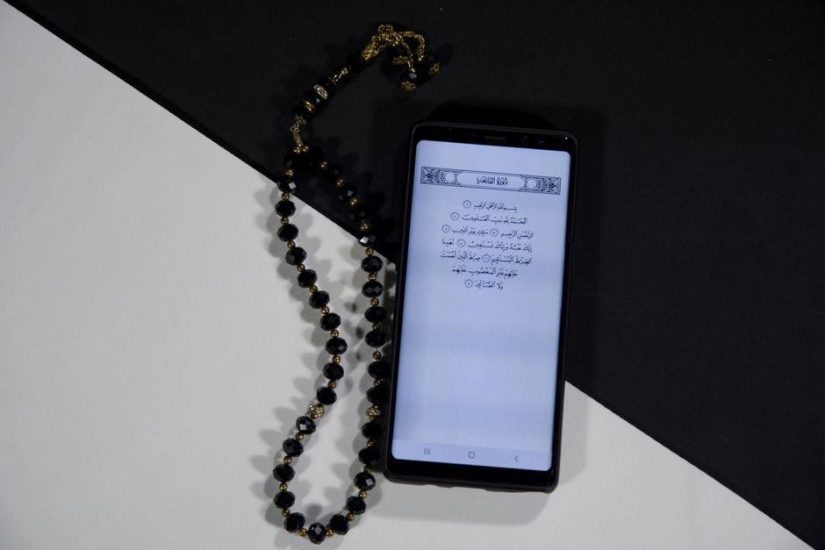
Definition and Usage
The khatam quran dua pdf is a concise supplication recited upon completing the entire Quran. It encapsulates gratitude, request for guidance, and affirmation of faith. Muslims use it to seal their recitation, reinforcing spiritual connection and seeking divine blessings. Amen!!??
Historical Background of Khatam
The practice of reciting a concluding supplication after completing the Quran, known as the Khatam Dua, has roots that trace back to the early days of Islam. Historical records suggest that the first known instance of a formal Khatam Dua appears in the early 8th century, when scholars in the Abbasid court began compiling collections of prayers and supplications for use during Ramadan and other significant occasions. The dua itself is believed to have been transmitted through the oral traditions of the companions of the Prophet Muhammad, and later codified by scholars such as al-Tabari and al-Bukhari. In the medieval period, the Khatam Dua was incorporated into the nightly Taraweeh prayers led by prominent imams, including Sheikh AbdulRahman Al Sudais, whose recitation during the 2004 Ramadan Taraweeh was widely disseminated as a PDF and Word document for the global Muslim community. The modern digital age has further expanded access to the dua, with numerous online repositories offering free PDF downloads, such as the Halal Living website and the Internet Archive, which host versions in multiple languages. These resources have played a pivotal role in preserving the dua’s authenticity while making it accessible to a broader audience, ensuring that the spiritual tradition of concluding the Quran remains alive and relevant for contemporary worshippers worldwide. Moreover, scholars emphasize that reciting the Khatam Dua with sincere intention and understanding the meanings of each phrase enhances the spiritual experience, turning the act of completion into a profound moment of reflection and gratitude that strengthens the believer’s connection to guidance.
Origins in Early Islamic Tradition
The Khatam Dua emerged in the 8th century, transmitted orally by the Prophet’s companions and later recorded by scholars like al‑Tabari. It was incorporated into nightly Taraweeh prayers, notably by Sheikh Sudais in 2004, and now widely available as PDFs online, preserving its authenticity!!!
Theological Significance of Khatam
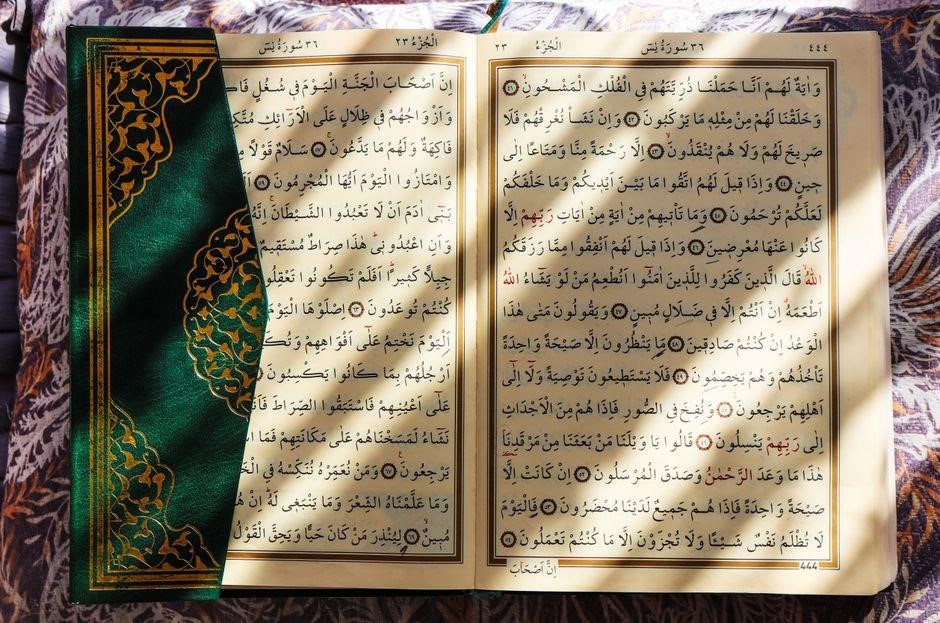
The Khatam Dua, found in the PDF archives of early Islamic manuscripts, serves as a theological bridge between the believer and the divine. Scholars trace its roots to the companions of the Prophet who recited it after completing the Qur’an, a practice later endorsed by the early Caliphs. In the 8th‑century collections, the dua is cited as a means of sealing the spiritual contract of the reciter, affirming that the Qur’an’s guidance has been internalized. The dua’s wording reflects core Islamic tenets: gratitude (shukr), humility (tawadu), and a plea for mercy (rahma). By reciting the Khatam Dua, a Muslim acknowledges that the Qur’an is not merely a text but a living ordinance that shapes character and destiny. The dua also underscores the belief that the Qur’an is a source of continuous revelation, encouraging believers to seek its lessons beyond the act of reading. Theological scholars argue that the Khatam Dua encapsulates the concept of “tawhid” by reminding the reciter of Allah’s singular guidance, while also invoking the Prophet’s intercession. The dua’s inclusion in modern PDFs, such as the 2011 “Khatam Quran Dua PDF” from the Allama Iqbal Library, demonstrates its ongoing relevance. Contemporary scholars emphasize that the dua is a form of worship (ibadah) that aligns the heart with divine will, reinforcing the idea that every completed recitation is a step toward spiritual purification (tazkiyah). Thus, the Khatam Dua is more than a ritual; it is a theological affirmation of faith, a reminder of divine mercy, and a call to live by the Qur’an’s teachings. The PDF format ensures accessibility, allowing Muslims worldwide to recite the dua with ease, thereby maintaining the tradition’s theological integrity across generations.
In addition, the dua’s presence in contemporary digital libraries, such as the 2025 Halal Living guide, highlights its adaptability. Muslims who read the PDF on smartphones can integrate the dua into their nightly routine, ensuring that the spiritual momentum gained during Taraweeh is carried into daily life. The digital format also facilitates memorization, as audio and text versions are often paired, allowing the reciter to internalize the words fully. By preserving the dua in PDF form, scholars guarantee that the original wording remains unchanged, safeguarding the theological nuances that might otherwise be lost in translation. This fidelity is crucial for maintaining the integrity of the dua’s meaning, especially when used in interfaith contexts where accurate representation is paramount. The Khatam Dua’s theological significance is thus reinforced by its accessibility, ensuring that every Muslim, regardless of geographic location, can participate in this profound act of devotion. The PDF also serves as an educational tool, providing commentary and footnotes that explain the dua’s verses, thereby deepening the reciter’s understanding of its spiritual implications. Consequently, the Khatam Dua PDF becomes a bridge between ancient tradition and modern practice, embodying the timeless nature of Islamic worship.
Spiritual Rewards
Reciting the Khatam Dua PDF grants believers immense spiritual rewards: it earns Allah’s mercy, elevates the soul, and strengthens faith. Scholars cite increased blessings, forgiveness of sins, and a heightened sense of divine closeness after completion. May your heart stay true may the Qur’an guide you
Content and Structure of the Khatam Dua
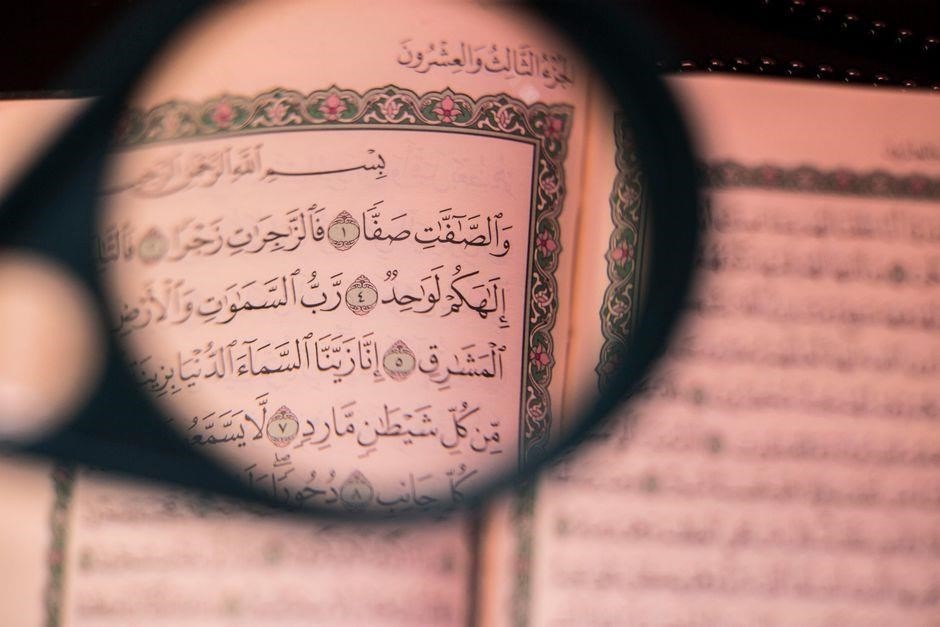
The Khatam Dua PDF is a concise, multi‑paragraph supplication that Muslims recite after completing the Qur’an. It typically begins with a heartfelt acknowledgment of Allah’s mercy, followed by a plea for guidance, protection, and the ability to implement the Qur’anic teachings in daily life. The structure is usually divided into three main sections: gratitude, supplication for guidance, and a concluding affirmation of faith. Each section contains specific phrases that are repeated in many traditional recitations, such as “Bismillahir Rahmanir Raheem” and “Allahumma inni a’udhu bika min sharri nafsi” (O Allah, I seek refuge in You from the evil of my soul). The PDF format allows easy memorization and sharing, and it often includes transliteration and translation to aid non‑Arabic speakers. Scholars emphasize that the Khatam Dua is not merely a ritual; it is a spiritual bridge that connects the reciter’s heart to the divine message, reinforcing the intention to live by the Qur’an’s guidance.
In addition to the core verses, many versions of the PDF incorporate a short invocation for the Prophet Muhammad (peace be upon him) and a request for the blessings of the entire Muslim community. This layer of intercession reflects the communal nature of the Qur’an’s recitation, reminding the reciter that the act of finishing the Qur’an is a collective spiritual milestone. The inclusion of these elements also aligns with the hadith that encourages believers to seek the Prophet’s intercession when completing the Qur’an, thereby enhancing the supplication’s potency.
The PDF’s layout is intentionally minimalist, focusing on clarity rather than ornamentation. This design choice ensures that the supplication can be recited swiftly, making it accessible for daily use, especially after Taraweeh or during personal study sessions. By adhering to this structure, believers can experience a deeper sense of completion and devotion, thereby maximizing the spiritual benefits promised in numerous hadiths and scholarly interpretations.
Furthermore, many contemporary Khatam Dua PDFs include a brief commentary on each section, explaining the significance of the phrases and offering guidance on proper pronunciation and intonation. This educational component is particularly valuable for new reciters or those seeking to deepen their understanding of the supplication’s theological nuances. The combination of textual clarity, transliteration, and explanatory notes transforms the PDF from a simple recitation aid into a comprehensive spiritual resource that supports both practice and reflection.
Key Phrases and Their Meanings
The Khatam Dua PDF includes key phrases like “Bismillahir Rahmanir Raheem” (In the name of Allah, the Most Gracious, the Most Merciful), “Allahumma inni a’udhu bika min sharri nafsi” (O Allah, I seek refuge in You from the evil of my soul), and “Allahumma barik lana” (O Allah, bless us).!!
Common Variants and Translations
The khatam quran dua pdf is available in multiple linguistic forms to accommodate diverse Muslim communities worldwide. The most frequently encountered versions include the original Arabic text, a transliterated Urdu rendition, and an English translation that preserves the essence of the supplication; Each variant is carefully crafted to maintain theological accuracy while ensuring accessibility for non‑Arabic speakers.
- Arabic Original: The authentic script used in mosques and Qur’an recitation circles. It preserves the precise phonetics and rhythmic cadence essential for proper recitation.
- Urdu Transliteration: Often found in South Asian print and digital libraries, this version employs the Urdu alphabet to aid readers who are familiar with the script but may not read Arabic script fluently.
- English Translation: This variant is typically included in PDF compilations and online repositories. It offers a literal and interpretive rendering that conveys the supplication’s meaning while respecting the original structure.
In addition to these primary variants, several regional adaptations exist. For instance, the Hindustani version incorporates colloquial expressions to resonate with local audiences, while the Arabic‑English bilingual PDF pairs the original verses with side‑by‑side translations, facilitating comparative study. Scholars and educators often recommend the bilingual format for students learning Arabic, as it allows them to see the direct correspondence between the original text and its translation.
To access these variants, users can download the PDF from reputable Islamic digital libraries such as the National Digital Library or the Internet Archive. These sources provide high‑resolution scans of the original manuscript, ensuring that the integrity of the text remains intact. When selecting a version, it is advisable to verify that the PDF includes the full 604 pages of the Qur’an followed by the complete dua, as some early releases omitted the supplication entirely.
When using the PDF, it is recommended to read the dua aloud in a quiet setting, allowing the words to resonate within the heart. Many practitioners also prefer to print the page and place it beside their Qur’an during the final recitation, creating a tangible reminder of the spiritual milestone.
In recent years, mobile applications have integrated the khatam quran dua pdf into their recitation modules, offering features such as audio playback, transliteration toggles, and progress trackers. These apps often provide the dua in multiple languages, ensuring that users from different linguistic backgrounds can engage with the supplication.
Users share the PDF today.
Arabic, Urdu, English Versions
The khatam quran dua pdf appears in three primary forms: the original Arabic script, a transliterated Urdu version for South Asian readers, and an English translation that maintains the supplication’s meaning. Each variant preserves the dua’s spiritual integrity. Download the PDF from Islamic libraries to practice daily
Downloading and Accessing the PDF
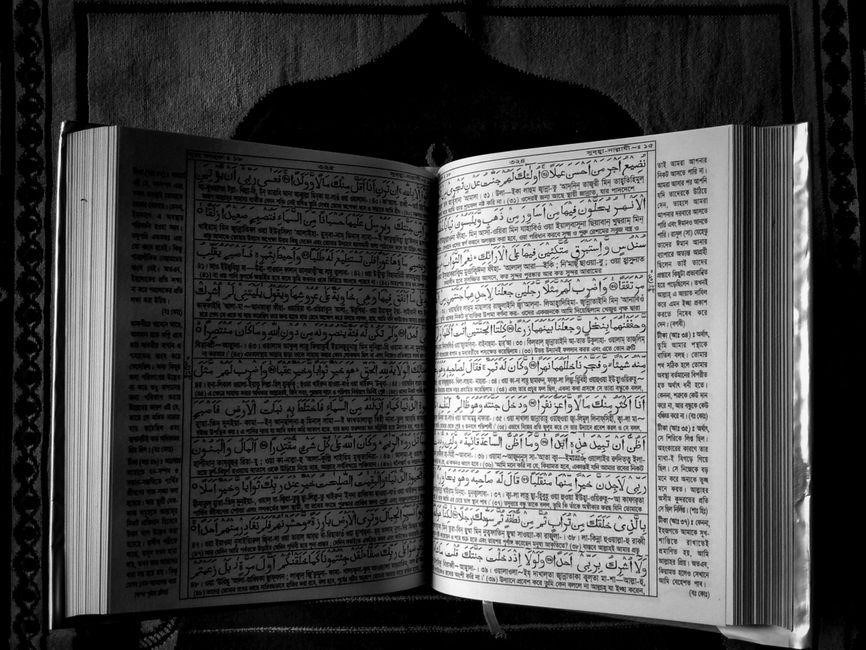
The khatam quran dua pdf is widely available through several reputable online platforms. To download a reliable copy, start by visiting well‑known Islamic digital libraries such as the Internet Archive, Al‑Maktabah, or the official website of the International Islamic Relief Foundation. These sites host scanned PDFs that preserve the original Arabic text, transliteration, and English translation. Some libraries provide the PDF in multiple formats, including JPEG images of each page for those who prefer to view the dua visually. Once you locate the desired file, verify its authenticity by checking the metadata: the author’s name, publication date, and source URL should match reputable references. Many PDFs include a watermark or that confirms they are not altered. If the file is compressed into a ZIP archive, extract it using standard tools such as WinRAR or 7‑Zip before opening the PDF with Adobe Reader or Foxit. For mobile users, the Google Play Store and Apple App Store offer apps that bundle the khatam quran dua pdf with audio recitations. These apps often allow you to bookmark pages, highlight verses, and set reminders to recite the dua at sunset. Additionally, community forums on Reddit or Muslim StackExchange can provide user reviews and links to downloads Always ensure you have a stable internet connection and sufficient storage space before initiating the download. After obtaining the PDF, store it in a dedicated folder labeled “Khatam Dua” for easy retrieval during your nightly Taraweeh or personal study sessions. By following these steps, you can confidently access a authentic khatam quran dua pdf that supports your spiritual practice
Free PDF Sources
Numerous sites host the khatam quran dua pdf for free. The Internet Archive offers a scanned copy with Arabic, transliteration, and English. Al‑Maktabah and Islamic Relief Foundation provide downloadable PDFs, often in multiple formats. Verify authenticity via author and publication data before use. Download and share now

Practical Tips for Reciting the Khatam Dua
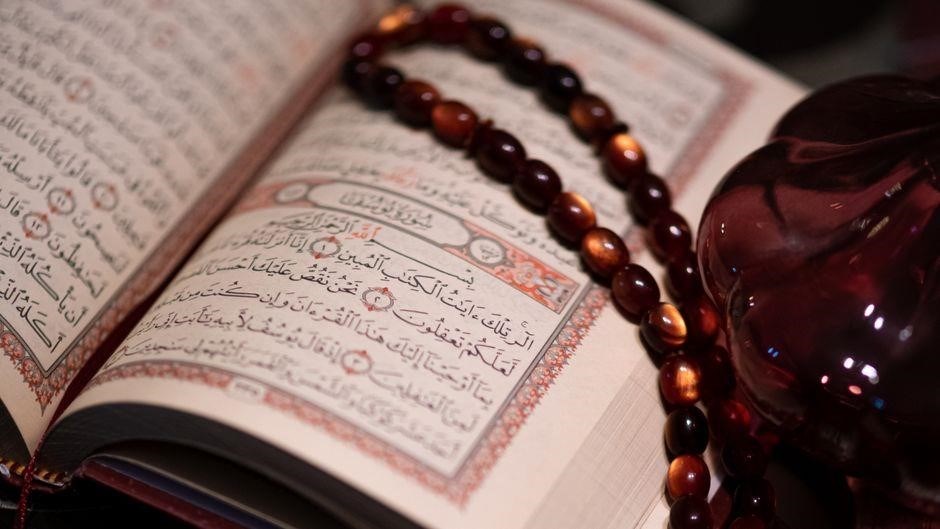
Reciting the khatam quran dua pdf with sincerity enhances its impact. Begin by finding a quiet space where distractions are minimal. Read the dua slowly, ensuring correct pronunciation of Arabic phonetics. Use a reliable audio guide to match the rhythm. Pause after each phrase to reflect on its meaning. Memorize the dua in stages: first the Arabic, then the transliteration, and finally the English translation. Practice daily, even when not completing the whole Quran, to build muscle memory. When you finish the final page, recite the dua with a clear, steady voice, allowing the words to resonate within your heart. Afterward, spend a few minutes in silent contemplation, thanking Allah for the opportunity to complete the holy text. Finally, share the experience with your community, encouraging others to perform the khatam and recite the dua. This collective practice strengthens communal bonds and deepens individual faith.
- Choose a consistent time each day to recite the dua, preferably after the last page of the Quran.
- Use a soft, respectful tone; avoid rushing or speaking too loudly.
- Keep a small notebook to note any emotional reactions or insights during recitation.
- Pair the dua with a brief supplication for guidance, such as “O Allah, guide me to implement what I have learned.”
- Invite family members to join, creating a shared spiritual moment.
These practical steps help transform the simple act of recitation into a profound spiritual exercise, fostering a deeper connection with the divine message.
Remember, breathe maintain humility throughout.
Let the dua guide actions beyond the page, turning words into a practice: daily that inspires!
Recitation Guidelines
When reciting the khatam quran dua pdf, start by ensuring your environment is quiet and free from distractions. Position yourself comfortably, preferably seated with the Quran or its digital version in front of you. Begin with a brief moment of reflection, acknowledging the completion of the holy text.
Follow these steps:
- Read the dua slowly, paying close attention to the correct pronunciation of each Arabic letter.
- Use a reliable audio recording or a knowledgeable reciter to guide your intonation.
- Pause briefly after each phrase to internalize its meaning.
- Maintain a steady breath, allowing the words to flow naturally.
- After finishing, close your eyes for a moment, offering gratitude and seeking guidance.
Memorization is encouraged: start by learning the Arabic, then the transliteration, and finally the English translation. Practice daily, even if you are not completing the entire Quran, to keep the dua fresh in your heart. Share the recitation with family or a study group to reinforce communal bonds.
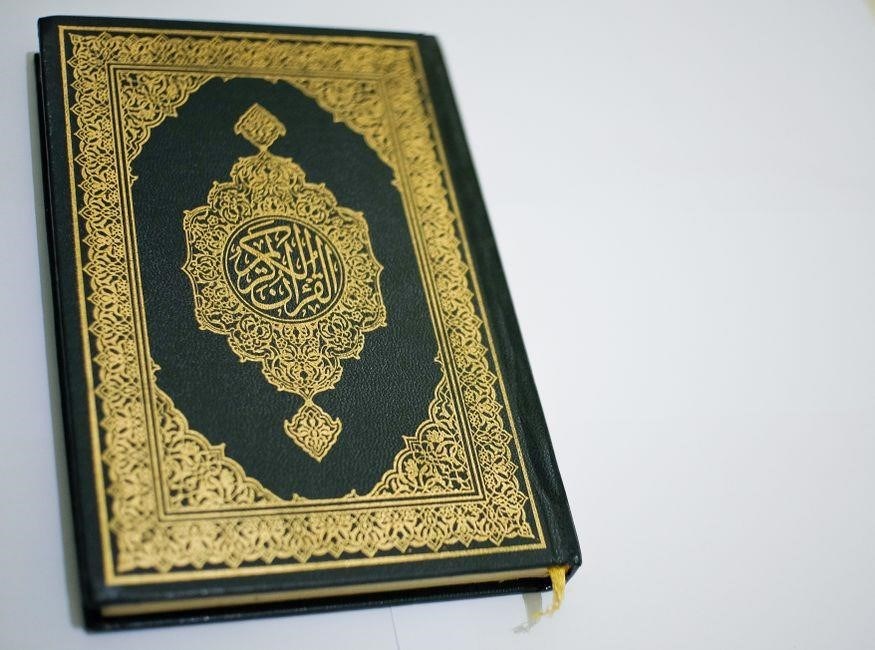
Remember, sincerity and humility are paramount; the dua’s power lies in the heart’s intent, not merely in the words spoken;
In addition, many scholars recommend repeating the dua multiple times, especially during last verses of final chapter. This repetition reinforces the spiritual connection helps internalize the supplication. Some communities also include a brief dua for deceased, asking Allah to grant them mercy. By integrating these practices, the recitation becomes a holistic act of devotion, bridging the written word with lived faith Blessing