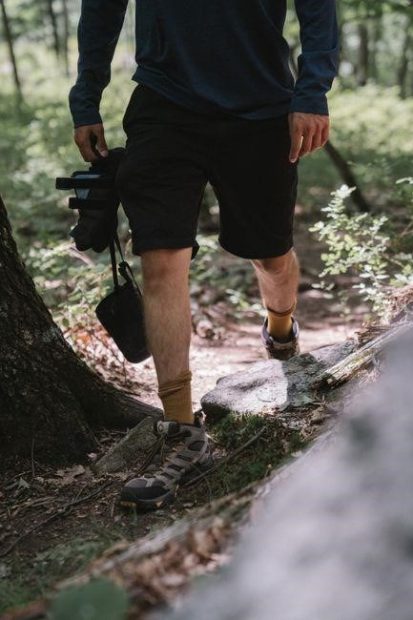
Overview of Darn Tough Socks

Darn Tough offers a detailed size guide that matches shoe size to sock height, ensuring a snug fit for every foot․ Their charts help you choose the right pair—whether you need a low cut for hiking or a mid‑rise for everyday wear․ Smart, tough, and reliable․ Ideal for trail, ski, day wear․
Brand History and Reputation
Founded in 2005 by a group of outdoor enthusiasts in Vermont, Darn Tough has built a legacy around durability and comfort․ The company’s mission was to create socks that could withstand the harshest conditions while remaining breathable and lightweight․ Over the years, Darn Tough has earned a reputation for producing some of the most resilient footwear accessories on the market․ Their commitment to quality is evident in the use of premium merino wool, nylon, and polyester blends, combined with a meticulous construction process that includes reinforced seams and seamless toe designs․ The brand’s name itself reflects a sense of ruggedness and reliability that resonates with hikers, skiers, and everyday users alike․ Darn Tough’s products are often featured in outdoor magazines, and the company has received multiple awards for innovation and performance․ Their lifetime guarantee, which covers any defect in material or workmanship, further solidifies consumer trust․ By consistently delivering on its promise of durability, Darn Tough has become a staple in the gear lists of seasoned adventurers and casual wearers who demand long‑lasting comfort and protection․ Their commitment to craftsmanship has earned them a loyal following among outdoor professionals․ The brand’s eco‑friendly practices include using recycled materials and minimizing waste․ Customers often cite the socks’ blister‑preventing fit and breathable feel for repeat purchases․ and!

Key Materials and Construction

Darn Tough socks combine high‑density nylon‑polyester cores with breathable Merino wool overlays, delivering elasticity, shape retention, and moisture management․ A reinforced heel‑toe panel, made from abrasion‑resistant nylon mesh, protects against wear and extends lifespan․ Seamless toe construction eliminates pressure points, while a flat, low‑profile cuff sits snugly against the calf without cutting into the skin․ Recycled polyester fibers reduce environmental impact without compromising strength․ The Merino wool is sourced from humane, sustainable farms, ensuring softness, hypoallergenic properties, and natural anti‑odor performance․ All socks undergo rigorous testing in simulated outdoor conditions—UV exposure, extreme temperatures, and repeated compression to certify they meet Darn Tough’s toughness promise․ The Run line offers a slightly thinner profile for a sock‑like feel; the Trail line adds extra cushioning for shock absorption․ Ski and Snow lines feature higher Merino content for warmth and a special Ski‑Cuff that keeps the sock in place during downhill runs․ The Work line’s reinforced heel and toe endure heavy abrasion, and a breathable mesh panel prevents sweat buildup․ Each style is available in low, mid, and high heights, allowing users to match coverage to footwear and activity․ Darn Tough’s meticulous attention to fiber sourcing, construction, and final stitching ensures reliable performance for years of use․ Its lifetime guarantee reflects quality for all․

Sock Size Fundamentals
Understanding sock sizing starts with foot length and width․ Darn Tough’s guide links shoe size to sock height, ensuring a secure fit․ Accurate measurement prevents blisters and enhances comfort, making each pair truly tough for any activity․ perfectly durable․
Importance of Proper Fit
Choosing the correct size is more than a comfort matter—it directly influences performance, durability, and health․ A sock that is too small can compress the foot, limiting blood flow and causing numbness or cramping during long hikes․ Conversely, a sock that is too large may bunch, creating pressure points that lead to blisters or uneven gait․ Darn Tough’s size guide aligns each shoe size with the appropriate sock height, ensuring that the material sits where it should: snug around the calf, secure at the ankle, and free from excess fabric that can shift during activity․ Properly fitted socks also maintain the integrity of the cushioning layers; a tight fit keeps the foam in place, preventing it from sagging or breaking down prematurely․ This is especially critical for high‑impact sports or cold‑weather adventures where the sock’s insulating properties must remain intact․ Moreover, a well‑fitted pair reduces the risk of skin irritation—tight socks can cause friction burns, while loose socks can trap moisture and foster fungal growth․ By following the size chart, users can avoid these pitfalls, ensuring that each step is supported, each foot stays dry, and the overall experience is both comfortable and safe․ Ultimately, proper fit is the foundation upon which Darn Tough’s reputation for durability and performance is built, allowing adventurers to focus on the trail rather than on discomfort or injury․The right sock makes all verydifference․
Shoe Size to Sock Size Conversion
When selecting Darn Tough socks, the first step is to translate your standard shoe size into the appropriate sock size․ The brand’s conversion chart is straightforward: for men, a US 7 shoe corresponds to a Small sock, US 8–9 to Medium, US 10–11 to Large, and US 12+ to X‑Large․ Women follow a similar pattern, with US 5–6 as Small, US 7–8 Medium, US 9–10 Large, and US 11+ X‑Large․ These ranges reflect the foot length in inches, ensuring that the sock’s interior dimensions accommodate the foot’s width and height․ Because Darn Tough offers multiple sock heights—Low, Mid, and High—each size category is divided further․ For instance, a Medium Low sock will fit a 7–9 shoe, while a Medium High sock will accommodate the same shoe size but extend higher up the calf․ The conversion also considers the sock’s length in centimeters; a Low sock typically measures 20–22 cm, a Mid 23–25 cm, and a High 26–28 cm․ By matching your shoe size to the correct sock height, you avoid common issues such as blisters from a too‑short sock or excess bulk from a too‑long one․ It’s advisable to try on a pair in the desired height before committing, as personal comfort and activity type can influence the best fit․ The conversion chart is available on the official site and is updated annually to reflect any changes in manufacturing standards․ Following this guide ensures that your feet stay protected, breathable, and comfortable throughout any activity․ Additionally, the chart accounts for foot width by recommending a slightly larger size for wide feet, ensuring that the sock does not compress the foot during prolonged use․ For runners, a snug fit is recommended, whereas hikers may prefer a slightly looser fit to allow for swelling․ The chart is designed to be user‑friendly, with clear numeric ranges and visual aids such as foot diagrams․ Users can cross‑reference their shoe size with the sock size table to quickly identify the best match․ If you fall between sizes, the general rule is to choose the larger size to avoid constriction․ Finally, remember that Darn Tough’s lifetime warranty covers any defects, so choosing the correct size is part of ensuring long‑term satisfaction․ The brand’s commitment to quality means that once you find the right fit, you can rely on the socks for years of adventure․ Enjoy the confidence of a perfect fit and comfort․

Darn Tough Size Chart
Our chart aligns shoe size with sock height, covering low, mid, and high options․ Use the guide to match your foot length and width for optimal comfort and performance․ Accurate sizing ensures durability and a perfect fit․
Check chart for exact measurements
Sock Height Categories

Darn Tough’s sizing guide distinguishes three primary sock height ranges, each tailored to specific activities and personal comfort preferences․ The low‑cut model, typically labeled “Low” or “Low‑Rise,” sits just above the ankle, offering a lightweight feel that’s ideal for trail running, casual wear, and high‑performance hiking where breathability is paramount․ These socks maintain a snug fit without restricting ankle movement, making them a favorite among runners who need quick drying and minimal bulk․
The mid‑rise option, often called “Mid” or “Mid‑Rise,” extends to the mid‑calf․ This height provides additional cushioning and support for longer treks, mountaineering, or ski trips․ The extra coverage helps prevent blisters on rough terrain and offers a protective barrier against wind and cold․ Mid‑rise socks are also popular for everyday use, striking a balance between comfort and versatility․
High‑rise socks extend to the calf or above, offering maximum coverage for alpine or long‑distance adventures․ The extra length keeps the sock in place, reduces pressure points, and adds insulation in cold weather․ These socks are favored by mountaineers, trekkers, and anyone who prefers a more enveloping feel around the ankle and calf․
Choosing the right height is not just about comfort; it also affects performance․ Low‑cut socks excel in speed‑centric activities where weight and airflow matter most․ Mid‑rise socks are a versatile middle ground, suitable for mixed terrain and everyday use․ High‑rise socks shine in cold, wet, or rugged conditions, providing extra protection and warmth․ When selecting a pair, consider the typical weather, terrain, and your own foot shape to ensure the sock height complements your gear and goals․
With this guide, you can confidently match sock height to your gear and adventure style․!!!!!!․․
Men’s Sock Sizes by Shoe Size
Below is the Darn Tough men’s sizing matrix, which pairs U․S․ shoe sizes with the recommended sock height․ The chart is organized by low‑cut, mid‑rise, and high‑rise options, each tailored to fit the foot’s natural shape and the activity’s demands․ For every U․S․ size, the table lists the corresponding sock size in inches, ensuring that the cuff sits comfortably above the ankle without bunching․ The low‑cut range (7‑10) is ideal for trail running and light hiking, while the mid‑rise (11‑13) supports heavier foot traffic and provides additional arch support; The high‑rise (14‑15) is designed for extended outdoor use, offering maximum coverage for cold weather and rugged terrain․ When selecting a sock, consider the shoe’s width: Darn Tough’s medium width fits most standard shoes, but for wide feet, the brand offers a wide‑fit option that extends the cuff length by 0․5 inches․ Each sock is constructed with a seamless toe, a reinforced heel and toe, and a breathable, moisture‑wicking knit that keeps feet dry and blister‑free․ The brand’s lifetime warranty guarantees that the sock will withstand the toughest conditions, so you can focus on the trail rather than the fit․ For a precise fit, measure your foot length in inches, then match the number to the corresponding sock size in the chart․ If you’re between sizes, choose the larger one to avoid compression and ensure a smooth, comfortable experience on every adventure․The socks are engineered with a seamless toe, a reinforced heel and toe, and a breathable, moisture‑wicking knit that keeps feet dry and blister‑free․ The brand’s lifetime warranty guarantees that the sock will withstand the toughest conditions, so you can focus on the trail rather than the fit․
Women’s Sock Sizes by Shoe Size
Below is a concise reference for women’s sock sizing based on standard U․S․ shoe measurements․ The guide aligns each foot length with the appropriate sock height—Low, Mid, or High—so you can pick a pair that stays in place and feels comfortable throughout the day․ Keep in mind that the sizing is based on the length of the foot, not the width, so if you have a particularly wide foot you may want to try a slightly larger size for a more relaxed fit․
| U․S․ Shoe Size | Low | Mid | High |
|---|---|---|---|
| 5 | 5 | 5 | 5 |
| 5․5 | 5․5 | 5․5 | 5․5 |
| 6 | 6 | 6 | 6 |
| 6․5 | 6․5 | 6․5 | 6․5 |
| 7 | 7 | 7 | 7 |
| 7․5 | 7․5 | 7․5 | 7․5 |
| 8 | 8 | 8 | 8 |
| 8․5 | 8․5 | 8․5 | 8․5 |
| 9 | 9 | 9 | 9 |
| 9․5 | 9․5 | 9․5 | 9․5 |
| 10 | 10 | 10 | 10 |
| 10․5 | 10․5 | 10․5 | 10․5 |
| 11 | 11 | 11 | 11 |
| 11․5 | 11․5 | 11․5 | 11․5 |
| 12 | 12 | 12 | 12 |
Measure your foot in centimeters and match it to the chart․ If you’re between sizes, pick the larger one for a snug, breathable fit․ Today!

Selecting the Right Size

Measure your foot length and width, then consult Darn Tough’s chart to match shoe size with sock height․ Adjust for personal preference—taller socks for cushioning, shorter for breathability․ If fit feels off, consider alternative brands or custom sizing․ Use the chart’s foot guide for fit․

Measuring Your Feet
To find the perfect Darn Tough sock size, start by measuring both feet accurately, as the larger foot determines the final choice․ Place a piece of paper on a flat surface and stand with your heel against a wall․ Mark the longest toe, the widest part of the foot, and the heel․ Measure from the wall to the longest toe for length, and from the widest point to the wall for width․ Repeat for the other foot․ Convert the measurements to inches or centimeters, using the Darn Tough conversion chart: 9–10․5 inches (23–26․7 cm) equals size 6, 10․5–11․5 inches (26․7–29․2 cm) equals size 7, and so on․ If your feet fall between two sizes, choose the larger one to avoid compression․ Remember to account for sock height preference—low cut for trail, mid‑rise for everyday․ After selecting the size, try on a pair of Darn Tough socks in the same height category to confirm fit, ensuring the cuff sits comfortably above the ankle without rolling․ Proper measurement guarantees a snug, breathable fit that supports long‑duration activities․
For the most accurate results, measure your feet twice: once in the morning when they are swollen, and once in the evening after activity․ This helps you choose a size that accommodates․ Additionally, consider the width of your foot; if you have a foot, select a size that offers room․ Finally, remember that Darn Tough socks are designed to stretch, so a snug but not tight fit ensures optimal comfort and performance․ today․ now
Adjusting for Sock Height Preferences
When selecting Darn Tough socks, the sock height—low, mid, or high—plays a pivotal role in achieving the perfect fit for your activity․ Low‑cut socks are engineered for speed and agility, keeping the foot snug without adding bulk, making them ideal for trail running, cross‑country skiing, or any high‑intensity exercise where a low profile reduces friction and enhances breathability․ Mid‑rise options strike a balance between protection and ventilation; they’re favored by hikers and casual walkers who need ankle support and a moderate amount of coverage without sacrificing airflow․ High‑rise or crew socks offer the most coverage, ideal for heavy‑duty work, long‑distance trekking, or cold‑weather adventures where foot warmth and protection from debris are paramount․ To fine‑tune your choice, start by measuring your foot length and width, then consult Darn Tough’s size chart to find the appropriate shoe‑size match․ Next, consider the sock height that aligns with your activity: low for speed, mid for versatility, high for maximum coverage․ If the default height feels too tight or too loose, try a different height within the same size range; many users report that a mid‑rise offers the best compromise between compression and mobility․ Finally, remember that sock height can affect how the sock sits in your shoe— a high sock may push the heel forward, creating pressure points, while a low sock may allow the heel to slip․ Adjusting height is a simple yet effective way to fine‑tune fit, ensuring that each pair of Darn Tough socks delivers the performance and durability the brand is known for․
When to Try Alternative Brands
While Darn Tough’s sizing guide covers most foot shapes, there are scenarios where another brand may serve you better․ Consider these situations:!
- Extreme arch support needs: If you have high arches or flat feet that require custom orthotic compatibility, look for brands that offer specialized arch‑support technologies!
- Ultra‑light performance: For ultramarathon or trail running where weight is critical, brands that use graphene or carbon‑fiber blends can shave grams off each sock!
- Medical or compression requirements: If you need graduated compression or medical‑grade materials, seek brands that are FDA‑approved or certified for therapeutic use!
- Budget constraints: Darn Tough’s lifetime warranty comes at a premium․ If cost is a major factor, consider mid‑tier brands that still provide good durability!
- Availability and shipping: In regions where Darn Tough stock is limited, local brands may offer faster delivery and reliable!
- Style and color variety: If you prefer a broader palette or unique patterns, brands that specialize in fashion‑forward designs can satisfy aesthetic preferences!
Ultimately, the best choice balances fit, function, and personal priorities․ Test a few pairs, read reviews, and consult with a podiatrist if you have specialized foot concerns․