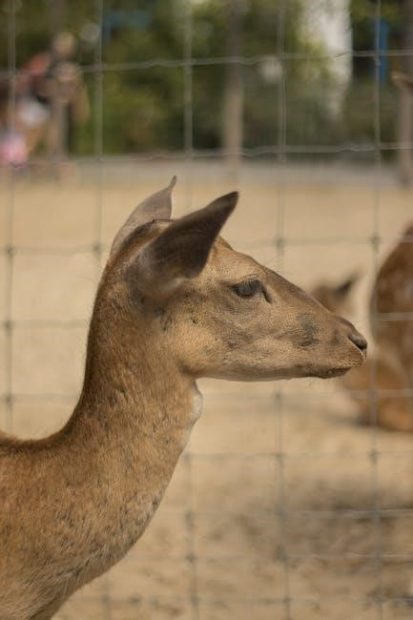
Backcountry Bowhunting: A Guide to the Wild Side
Embark on a thrilling journey into remote wilderness areas, mastering self-reliance and ethical hunting practices – discover premium gear and expert guidance.
Backcountry bowhunting represents the pinnacle of the hunting experience, demanding a unique blend of skill, physical endurance, and self-sufficiency. Unlike more accessible hunting grounds, the backcountry presents challenges that require meticulous preparation and a deep respect for the wilderness. This isn’t simply about pursuing game; it’s about immersing oneself in a wild, untamed environment, relying on one’s own abilities to navigate, survive, and ethically harvest an animal.
The allure lies in the solitude, the pristine landscapes, and the heightened sense of accomplishment that comes with overcoming obstacles far from civilization. It’s a pursuit for those who seek a deeper connection with nature and a more challenging, rewarding hunt. Finding the right gear, understanding animal behavior in remote areas, and mastering essential survival skills are paramount to success and safety. This guide will serve as a foundation for venturing into the wild side of bowhunting.
Understanding the Challenges
Backcountry bowhunting isn’t for the faint of heart; it presents a formidable array of challenges that extend far beyond simply drawing a bow. Remote locations mean limited or no cell service, requiring reliance on map and compass skills, and potentially satellite communication devices. Physical demands are significantly higher, often involving extended backpacking with heavy loads, navigating steep terrain, and enduring unpredictable weather conditions.
Wildlife encounters, particularly with predators like bears, pose a real threat, necessitating thorough knowledge of safety protocols and proper carry of deterrents. Self-reliance is crucial – hunters must be prepared to handle injuries, equipment failures, and unexpected delays without immediate access to assistance. Furthermore, ethical considerations are amplified in the backcountry; a clean, quick harvest is paramount, and responsible meat care is essential when far from refrigeration. Preparation mitigates risk and maximizes the experience.
Physical Conditioning for Backcountry Hunts
Success in the backcountry hinges on robust physical conditioning. This isn’t about peak athletic performance, but about building functional strength and endurance specifically tailored to the demands of the hunt. Prioritize cardiovascular training – hiking with a weighted pack is ideal, simulating the load you’ll carry in the field. Incorporate strength training focusing on legs, core, and back to handle steep inclines and heavy packs.
Regularly practice hiking uphill and downhill, building stamina and preventing injuries. Don’t neglect flexibility and balance training; navigating uneven terrain requires agility. Simulate the hunt by practicing drawing your bow while fatigued. Start your conditioning regimen well in advance – at least several months before your hunt – and gradually increase intensity. Proper nutrition and hydration are equally vital for optimal performance and recovery.
Gear Selection: The Bow
Choosing the right bow is paramount for backcountry bowhunting success. Consider a lightweight, durable, and reliable compound bow or a traditional recurve, depending on your preference and skill level. Compound bows offer greater accuracy and ease of use, while recurves provide simplicity and a closer connection to the hunt.
Draw weight and draw length must be properly matched to your physical capabilities for comfortable and accurate shooting. Invest in quality arrows, broadheads, and a reliable release aid (if using a compound bow). Ensure your bow is properly tuned and sighted-in for various distances. Pack essential bow maintenance tools, including a bow press, string wax, and extra strings. Prioritize a bow case that offers robust protection during transport and minimizes weight. Regular practice is crucial to maintain proficiency with your chosen bow.
Backcountry Bowhunting: Essential Gear List
A well-curated gear list is vital for a safe and successful backcountry bowhunt. Prioritize lightweight, durable equipment. Include a high-quality backpack (65-75 liters) for carrying all essentials. Essential clothing comprises moisture-wicking base layers, insulating mid-layers, and a waterproof/windproof outer shell. Don’t forget sturdy, broken-in hiking boots.
Beyond clothing, pack a reliable shelter (tent or tarp), a warm sleeping bag, and a sleeping pad. Food should be calorie-dense and non-perishable. Water purification tools (filter or tablets) are crucial. A first-aid kit, headlamp, knife, fire starter, and repair kit are non-negotiable. Remember navigation tools like a map, compass, and GPS device. Finally, bring game bags, rope, and a sharpening stone for post-harvest processing.
Navigation Tools & Communication
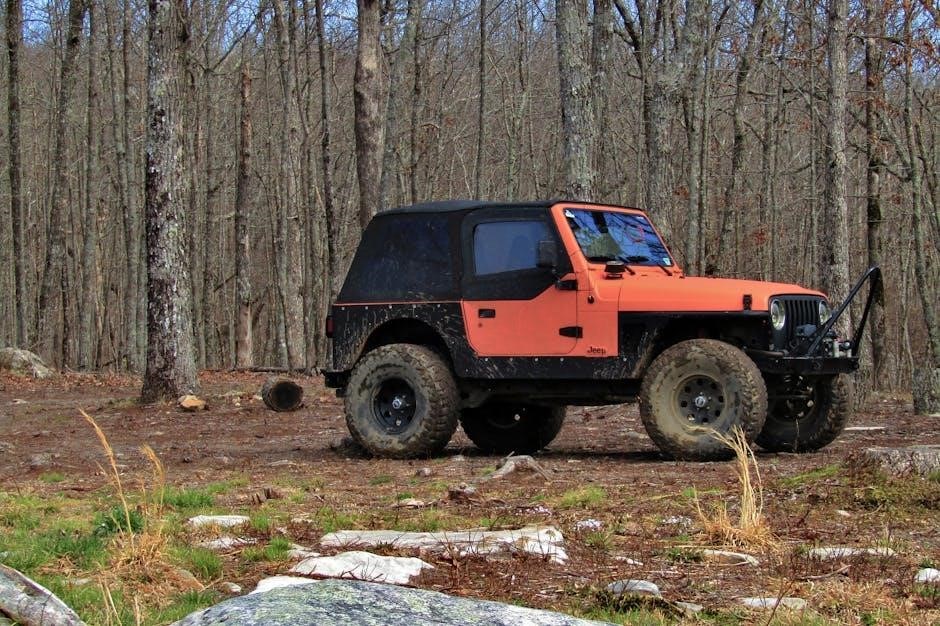
Reliable navigation is paramount in the backcountry, where trails can be faint or nonexistent. A topographic map and compass are fundamental, requiring proficiency in their use – don’t solely rely on electronics. A GPS device (with pre-loaded maps and waypoints) serves as a valuable backup, but batteries can fail. Consider a satellite communicator for emergencies, enabling two-way messaging and SOS signaling when cell service is unavailable.
Practice using your navigation tools before your hunt. Learn to read contour lines, take bearings, and understand declination. Carry extra batteries for all electronic devices. Inform someone of your hunting plans, including your route and expected return date. A whistle can be a lifesaver for signaling in emergencies, and a small mirror can reflect sunlight for long-distance communication.
Shelter & Sleep Systems
Backcountry bowhunting often necessitates overnight stays, demanding a robust shelter and sleep system. A lightweight tent, tarp, or bivy sack provides protection from the elements. Choose a shelter appropriate for the expected conditions – consider weight, durability, and weather resistance. A quality sleeping bag, rated for temperatures lower than anticipated, is crucial for maintaining core body temperature.
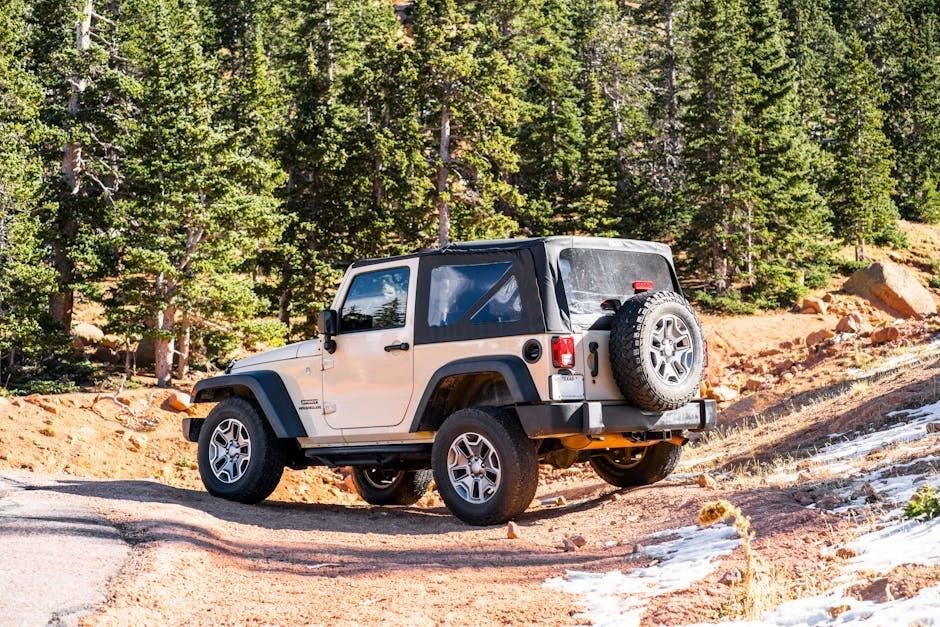
A sleeping pad offers insulation from the cold ground and enhances comfort. Consider inflatable pads for packability or closed-cell foam pads for durability. Don’t underestimate the importance of dry clothing for sleep. Moisture wicks away heat, increasing the risk of hypothermia. Pack extra socks and base layers. A hot water bottle can provide additional warmth on frigid nights, enhancing restorative sleep before the next day’s hunt.
Clothing for Variable Conditions
Backcountry environments demand adaptable clothing systems to combat fluctuating temperatures and weather patterns. Layering is paramount – begin with a moisture-wicking base layer to keep skin dry. Add an insulating mid-layer, such as fleece or down, for warmth. A waterproof and windproof outer shell protects against rain, snow, and wind.
Choose clothing made from breathable materials to prevent overheating during exertion. Durable pants are essential for navigating dense brush. Consider gaiters to protect your lower legs from thorns and debris. Don’t forget a warm hat and gloves, even in milder conditions. Pack extra socks – wet feet can quickly lead to discomfort and blisters. Prioritize clothing in muted earth tones to blend with the environment, enhancing your concealment during the hunt.
Backcountry Hunting Skills
Success in the backcountry hinges on honed hunting skills beyond proficient archery. Mastering terrain association is crucial; learn to read topographical maps and utilize a compass or GPS for navigation. Effective tracking involves identifying animal sign – tracks, scat, rubs, and scrapes – to determine animal movement patterns.
Scent control is paramount. Utilize scent-eliminating soaps, detergents, and sprays, and always hunt into the wind. Practice patience and stillness while waiting for a shot opportunity. Understanding animal behavior – feeding habits, bedding areas, and travel routes – significantly increases your chances of a successful hunt. Backcountry hunting demands adaptability and resourcefulness; be prepared to adjust your strategy based on changing conditions and animal behavior.
Reading the Terrain
Effective backcountry bowhunting demands a deep understanding of the landscape. Learn to interpret topographical maps, identifying elevation changes, drainages, and potential game travel corridors. Observe subtle features like benches, saddles, and funnels – natural pathways animals often utilize. Analyze vegetation patterns; different plant communities indicate varying habitat quality and animal preferences.
Pay attention to prevailing wind directions and how they influence scent dispersal. Look for signs of animal use – trails, bedding areas, and feeding spots – that reveal how animals are navigating the terrain. Consider how sunlight and shadows affect animal movement and visibility. Mastering terrain reading allows you to predict animal locations and set up strategic ambushes, increasing your odds of a successful and ethical hunt.
Tracking & Scent Control
Successful backcountry bowhunting hinges on stealth and minimizing your impact on the environment. Mastering tracking skills allows you to locate animals and understand their movements. Learn to identify different track types, estimate age, and interpret gait patterns. Pay attention to scat, rubs, and scrapes – valuable indicators of animal presence and activity.
However, tracking is useless without diligent scent control. Utilize prevailing wind directions to your advantage, always approaching game from downwind. Employ scent-eliminating clothing, sprays, and boots. Minimize ground disturbance, stepping carefully and avoiding unnecessary noise. Store clothing in airtight containers and consider using scent-control soaps and deodorants. Remember, animals possess an incredible sense of smell; minimizing your scent dramatically increases your chances of getting within bow range.
Game Animal Behavior & Patterns
Understanding the habits of your target species is paramount for backcountry bowhunting success. Animals aren’t randomly distributed; they follow patterns dictated by food, water, and security. Research the specific species you’re pursuing – their preferred forage, bedding areas, and travel routes. Consider seasonal changes; behavior shifts dramatically with breeding season, weather patterns, and food availability.
Pay close attention to daily routines. Deer, elk, and other ungulates often feed during specific times of day, utilizing transition areas between bedding and feeding grounds. Observe how animals react to pressure and learn to identify subtle cues indicating their mood and intentions. Knowledge of animal behavior allows you to predict their movements, set up strategic ambushes, and increase your opportunities for a clean, ethical harvest.

Scouting for Backcountry Success
Thorough scouting is the cornerstone of any successful backcountry bowhunt. Don’t rely solely on maps or online resources; boots-on-the-ground reconnaissance is essential. Begin by identifying potential hunting areas based on terrain features, food sources, and water availability. Look for sign – tracks, droppings, rubs, scrapes, and trails – indicating animal presence and movement.
Utilize topographical maps and aerial imagery to pinpoint likely travel corridors and bedding areas. Glass frequently from vantage points to observe animal activity and patterns. Pay attention to wind direction and how it influences animal movement. Consider establishing trail cameras to monitor specific locations over time, gathering valuable data on animal numbers, times, and travel routes. Effective scouting dramatically increases your odds of encountering a mature animal in a huntable situation.
Food & Water Management
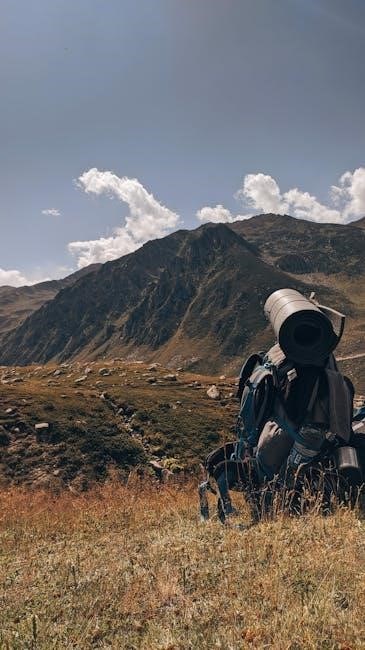
Backcountry bowhunting demands meticulous planning for sustenance. Pack calorie-dense, lightweight foods – dehydrated meals, energy bars, nuts, and jerky – sufficient for the duration of your hunt, plus extra for emergencies. Prioritize foods that require minimal cooking to conserve fuel and time. Water is paramount; carry enough for daily needs and a reliable water purification method – filter, tablets, or a boiling system.
Locate potential water sources on maps beforehand, but always treat any water collected from natural sources. Consider the climate and your exertion level when calculating water requirements. Properly storing food is crucial to avoid attracting wildlife. Utilize bear-resistant canisters or hang food securely between trees. Maintaining hydration and energy levels is vital for both physical performance and sound decision-making in the backcountry.
Safety Considerations in the Backcountry
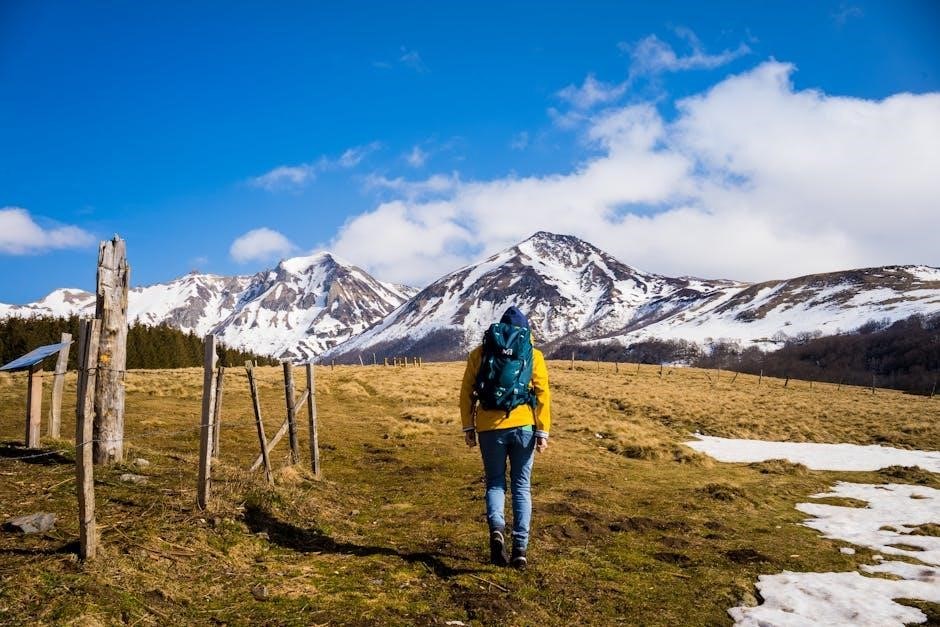
The backcountry presents inherent risks demanding proactive safety measures. Always inform someone of your hunting plans – route, expected return time, and emergency contacts. Carry a comprehensive first-aid kit and know how to use it. A satellite communication device (satellite phone or personal locator beacon) is invaluable for emergencies beyond cell service range.
Be acutely aware of weather forecasts and prepare for rapid changes. Understanding wildlife behavior is critical, particularly regarding bears and other potentially dangerous animals. Carry bear spray and know how to deploy it effectively. Practice situational awareness, constantly scanning your surroundings. Navigation skills are essential; don’t rely solely on technology. Prioritize preventative measures to minimize risks and ensure a safe backcountry experience.

Wildlife Encounters & Bear Safety
Backcountry bowhunting increases the likelihood of wildlife encounters, demanding respect and preparedness. Understanding animal behavior is paramount; avoid surprising animals. Make noise while moving to alert wildlife to your presence. If you encounter a bear, identify its behavior – is it defensive or predatory?
For defensive bears, slowly back away while speaking calmly. Never run. Carry bear spray and know how to use it – it’s a highly effective deterrent. Store food properly in bear-resistant containers or hang it from a tree, well away from your camp. Be extra cautious near streams and thick vegetation where visibility is limited. Predatory bear encounters are rare but require aggressive defense; fight back with everything available. Prioritize prevention and carry the necessary tools for a safe encounter.
First Aid & Emergency Preparedness
Remote backcountry bowhunting necessitates comprehensive first aid knowledge and a well-stocked kit. Include supplies for wound care, blister treatment, pain management, and allergic reactions. A satellite communication device (satellite phone or personal locator beacon ⏤ PLB) is crucial for summoning help in areas without cell service.
Familiarize yourself with wilderness first aid principles, including splinting fractures, treating hypothermia, and managing severe bleeding. Share your hunting plans with someone reliable, detailing your route and expected return time. Carry a waterproof map and compass, and know how to use them. Practice self-rescue techniques and be prepared to spend extended time self-reliant. Regular kit checks and refresher courses are vital for maintaining preparedness in unpredictable backcountry environments.
Legal & Ethical Considerations
Backcountry bowhunting demands strict adherence to all hunting regulations and a strong ethical compass. Thoroughly research and understand the specific laws of the area you’ll be hunting, including licensing requirements, season dates, legal hunting hours, and permissible equipment. Respect private property and obtain necessary permissions before accessing land.
Ethical hunting extends beyond legal compliance. Practice fair chase principles, ensuring a quick, clean kill and minimizing animal suffering. Avoid taking unethical shots and be prepared to pass on opportunities if conditions aren’t ideal. Pack out all trash, leave the area as you found it, and respect the wilderness environment. Responsible backcountry bowhunters are stewards of the land and ambassadors for the sport.
Meat Care in the Field
Proper meat care is paramount in backcountry bowhunting to ensure the harvest is edible and enjoyable. Immediate field dressing is crucial; quickly remove the entrails to cool the carcass. Elevate the meat off the ground to promote airflow, utilizing game bags to protect it from insects and debris. Cooling the meat rapidly prevents spoilage – utilize ice or cold water if available, or hang it in a shaded, breezy location.
Minimize handling to reduce contamination. Avoid touching the meat directly with bare hands. Quartering the animal can facilitate easier packing and cooling. Consistent temperature control is key; strive to keep the meat below 40°F (4°C). Thoroughly document the process and prioritize hygiene to deliver a high-quality harvest from field to table.
Packing Out Your Harvest
Successfully packing out your harvest demands meticulous planning and physical endurance in the backcountry. Quartering the animal is often the most efficient method, distributing the weight across multiple packs; Utilize a durable pack frame designed for heavy loads, ensuring a comfortable and balanced fit. Employ game bags to protect the meat from contamination and debris during transport;
Prioritize weight distribution within your pack, keeping heavier items close to your back. Take frequent breaks to avoid exhaustion and maintain a steady pace. Consider utilizing trekking poles for added stability and support. Communicate your route and estimated timeline to someone before embarking on the pack-out. Remember, a well-executed pack-out honors the animal and ensures a rewarding conclusion to your hunt.
Post-Hunt Reflection & Learning
The backcountry bowhunt doesn’t truly end with the harvest; it culminates in thoughtful reflection and a commitment to continuous learning. Analyze every aspect of your hunt – from pre-season scouting and physical preparation to shot execution and pack-out efficiency. What went exceptionally well? Where were the areas for improvement?
Document your experiences meticulously, noting weather conditions, animal behavior, and gear performance. Review your navigation skills and assess any challenges encountered. Consider how you can refine your scent control strategies or enhance your understanding of the terrain. Embrace both successes and failures as valuable lessons. Share your knowledge with fellow hunters, fostering a community of ethical and skilled backcountry bowhunters, always striving for improvement.